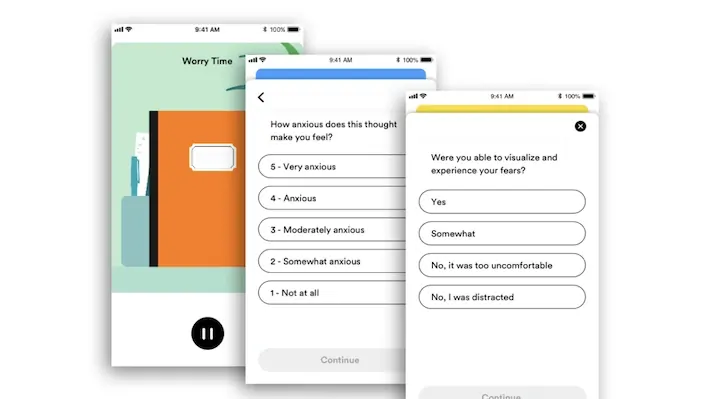
Researchers found a significant reduction in anxiety, in the DAYLIGHT group compared to control.
“This has huge implications for how to increase access to mental health care, because smartphones are so widely owned – in the US they’re owned by about 80% of the population. Given that many people with mental health care difficulties do not get access to any care or only limited care (e.g., only medications or limited psychotherapy appointments), effective mental health programs delivered via smartphone could really extend access and increase people’s options. It’s not possible to address the large unmet need solely with additional mental health care providers because the shortage is too substantial, and of course stigma is still an issue – some people don’t want in-person care.”
I was speaking with a senior leader recently who said, almost in passing, “I just assume from here it’s about slowing down and managing the slide.” There was no drama in it… just…
New research shows that variability in HRV during sleep reflects behaviour consistency. Learn why stable routines drive sustainable high performance for…
Why simplifying your health strategy leads to better performance. Evidence-based insights on subtraction, behaviour change, and sustainable leadership…